Edwin Creative Toys
Custom Plush Development for Your Brand
From original artwork to an agreed production specification: explore custom plush formats, materials, sampling, branding and project planning.
Quick Answer
Custom plush development turns original artwork or a product idea into an agreed specification and physical sample before production. The useful starting information is the product format, artwork, intended audience, target size, quantity, branding, packaging and delivery market. Materials, construction, timing and commercial terms are confirmed for the individual project rather than assumed from a standard template.
Your idea is the starting point
Custom plush development brings together design, materials, construction, branding and packaging. The most useful first conversation is about what the product needs to do: who it is for, where it will be used and which details make it distinctive.
Edwin Creative Toys helps brands, creators and businesses turn characters, artwork and product ideas into custom plush products. Start with the information you have; unresolved details can become part of the development discussion.
Choose the right product format
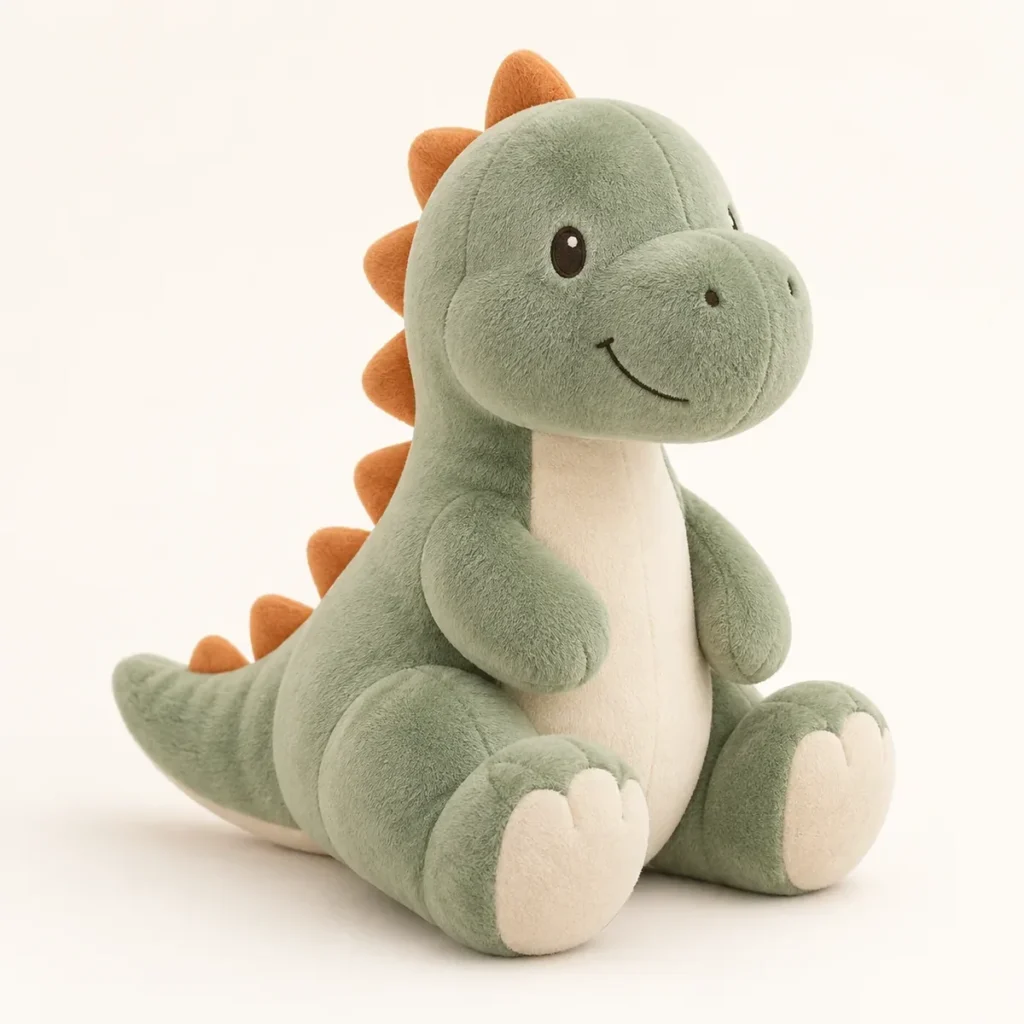
Custom Character Plush
Turn original artwork and character ideas into custom plush products, with shape, expression and material choices developed around your design.
Explore the possibilities ↗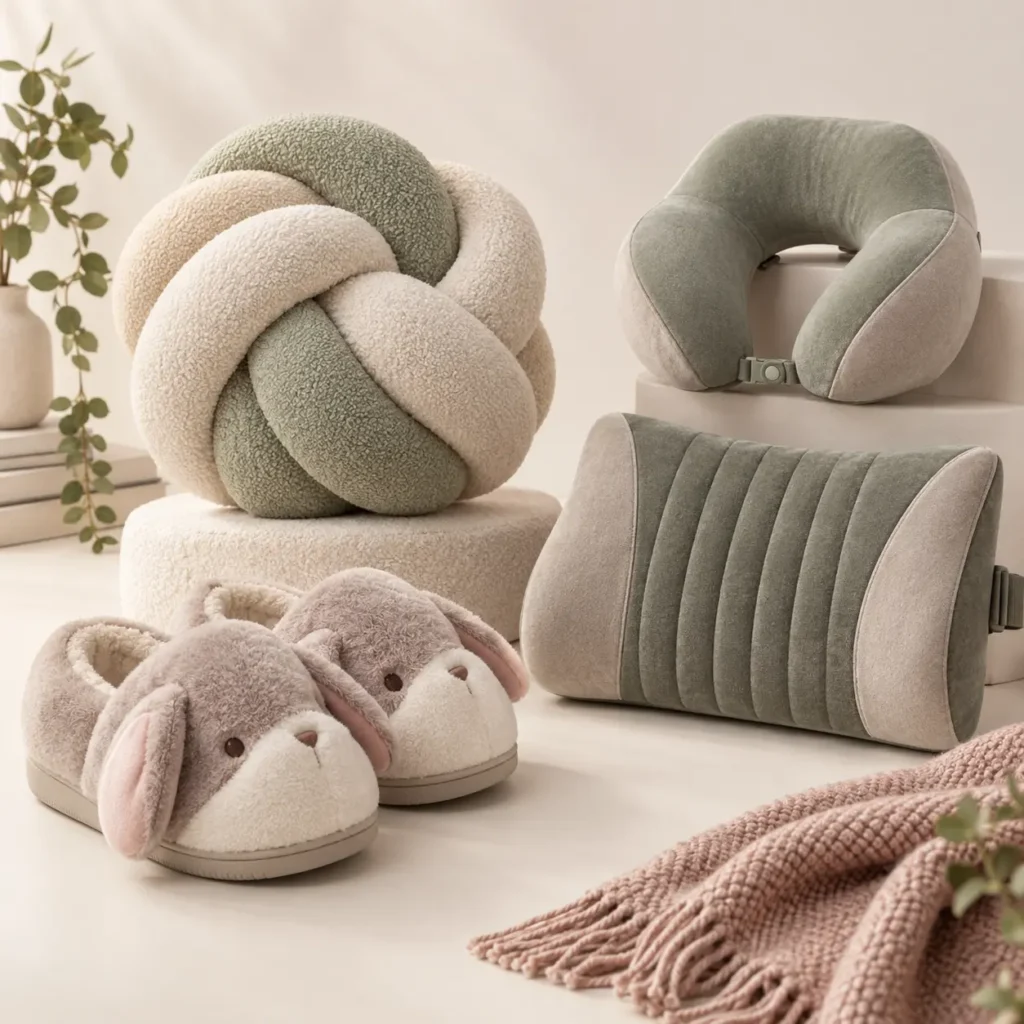
Custom Plush Lifestyle Products
Custom plush slippers, cushions, travel pillows and car comfort products developed for private-label, retail and promotional collections.
Explore the possibilities ↗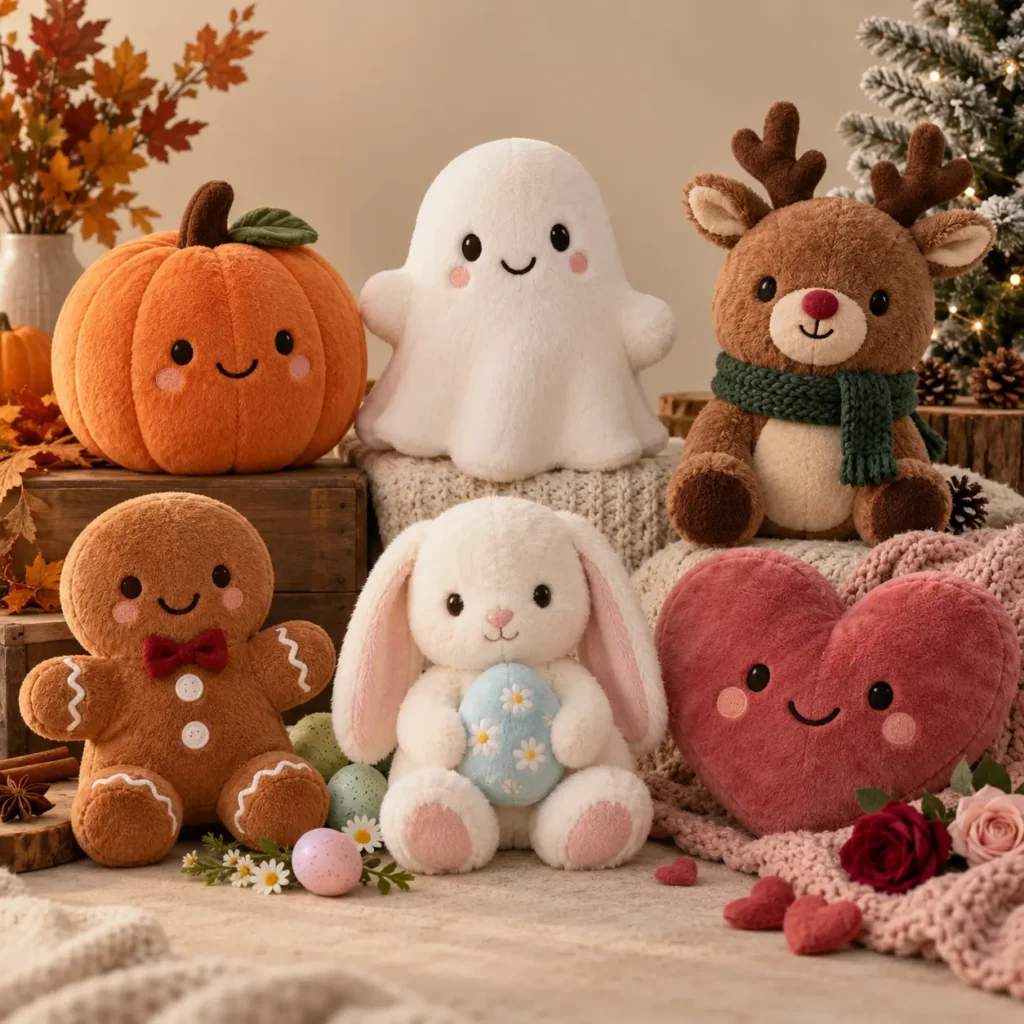
Seasonal & Holiday Plush Collections
Original Christmas, Halloween, Valentine’s Day, Easter, Thanksgiving and graduation plush concepts for custom retail and promotional programmes.
Explore the possibilities ↗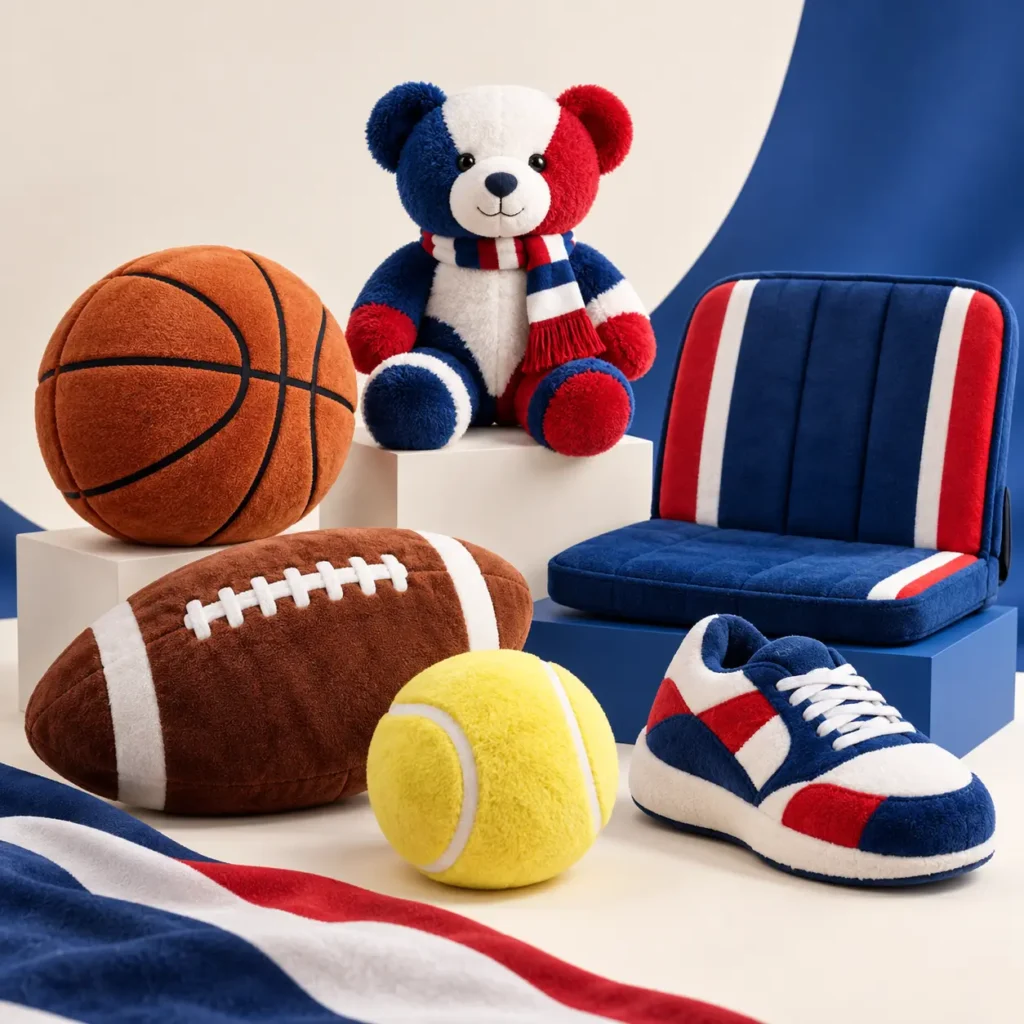
Sports & Event-Inspired Plush
Original sport-inspired plush toys, fan gifts and stadium comfort products developed without unauthorised event, team or athlete IP.
Explore the possibilities ↗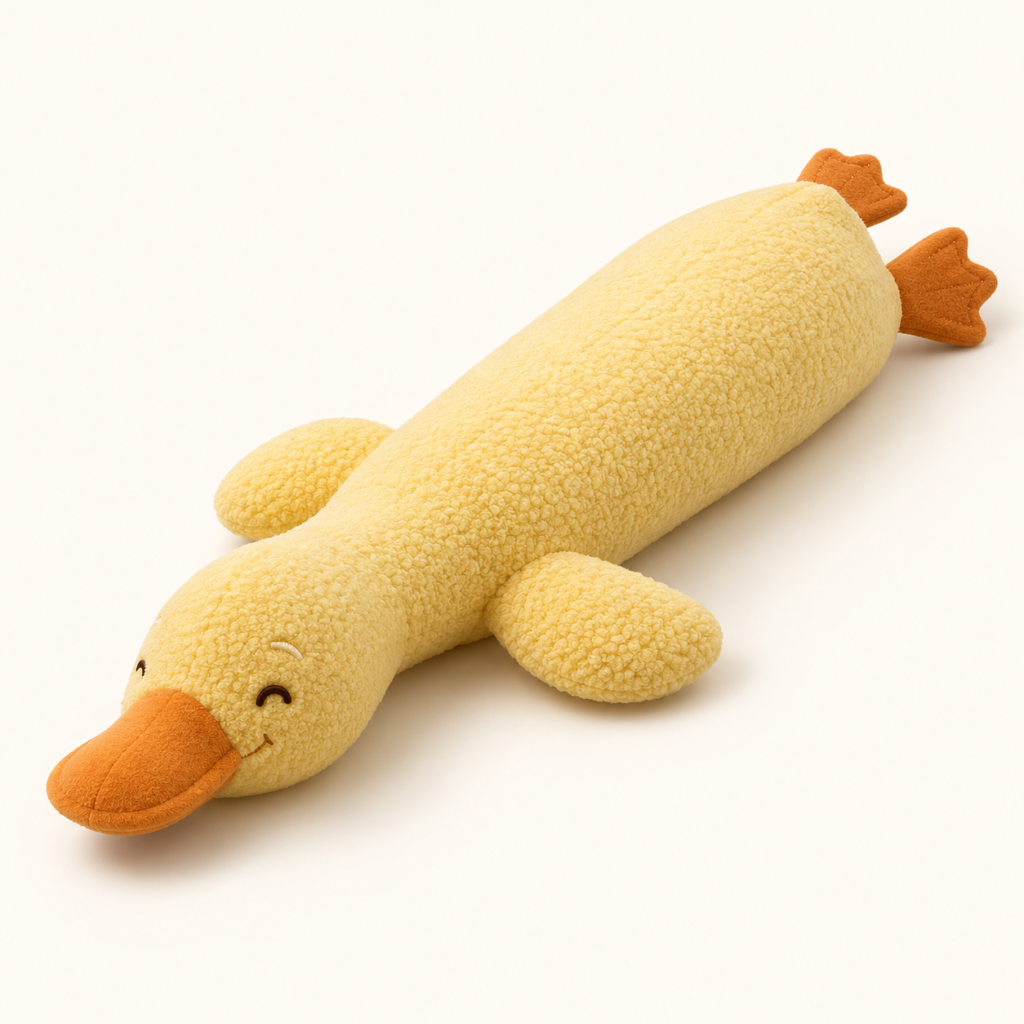
Custom Long Yellow Duck Plush Pillow
Explore an original yellow duck plush pillow concept with a long, lying pose. Discuss custom proportions, colours, branding and physical sample development.
Explore the possibilities ↗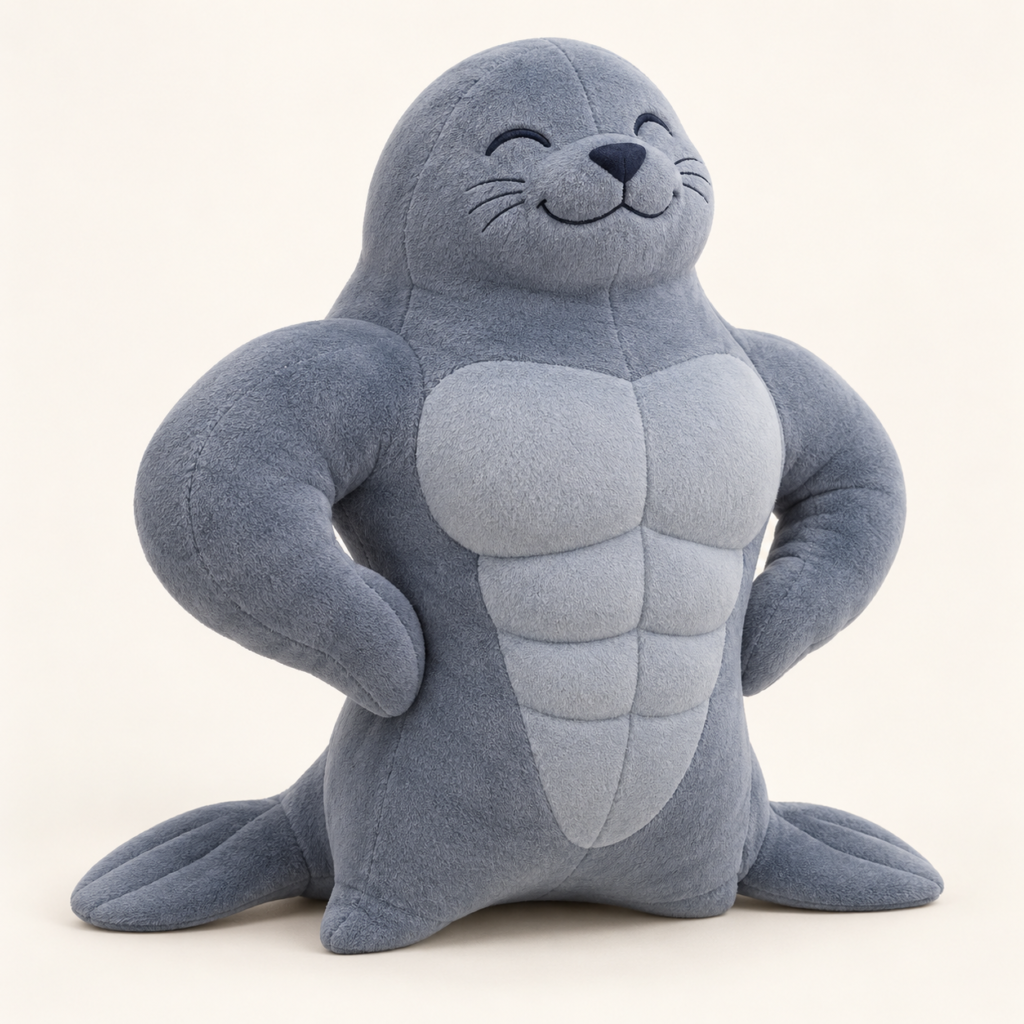
Custom Muscular Seal Plush
Explore an original muscular seal plush concept for humorous gift collections. Discuss the character, colours, branding and physical sample development.
Explore the possibilities ↗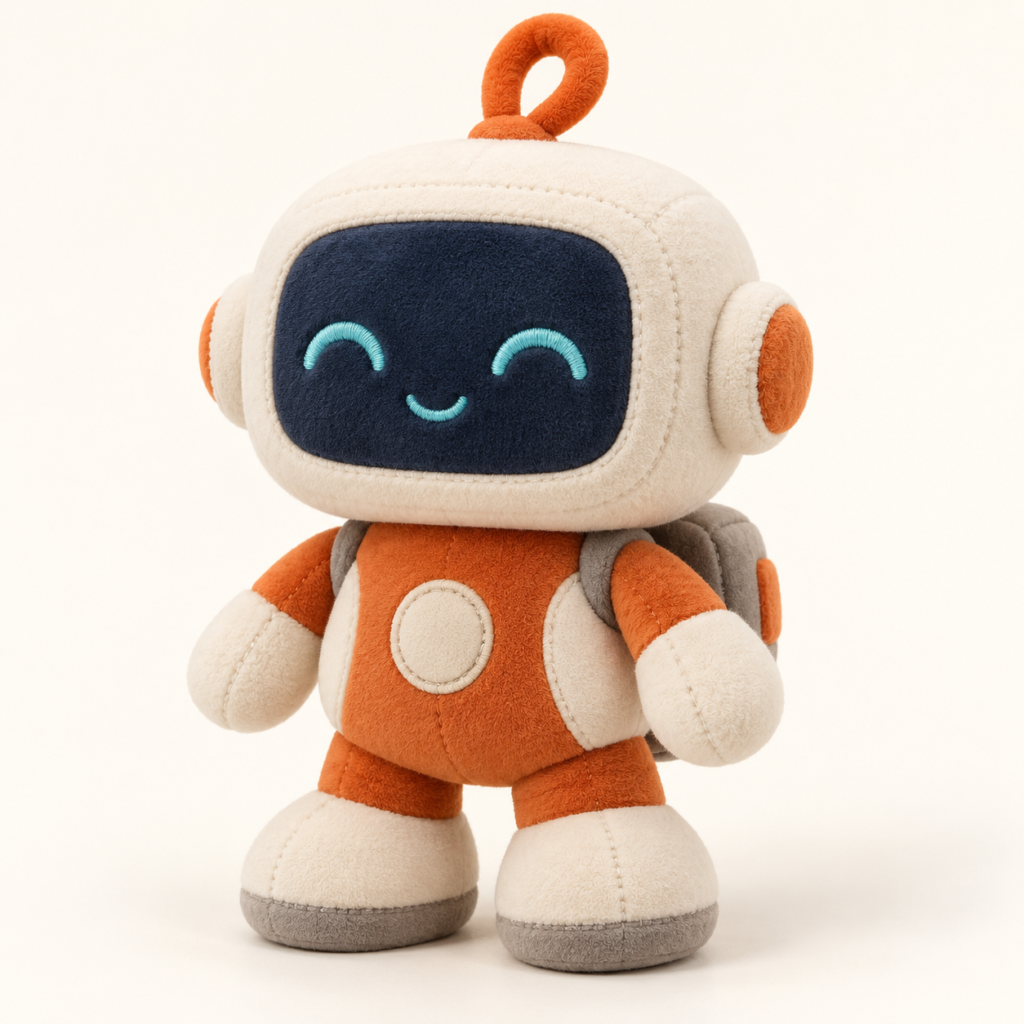
Custom Orange and White Space Robot Plush
Explore an orange and white space robot plush concept with a static embroidered or printed face. Discuss custom design, branding and physical sampling.
Explore the possibilities ↗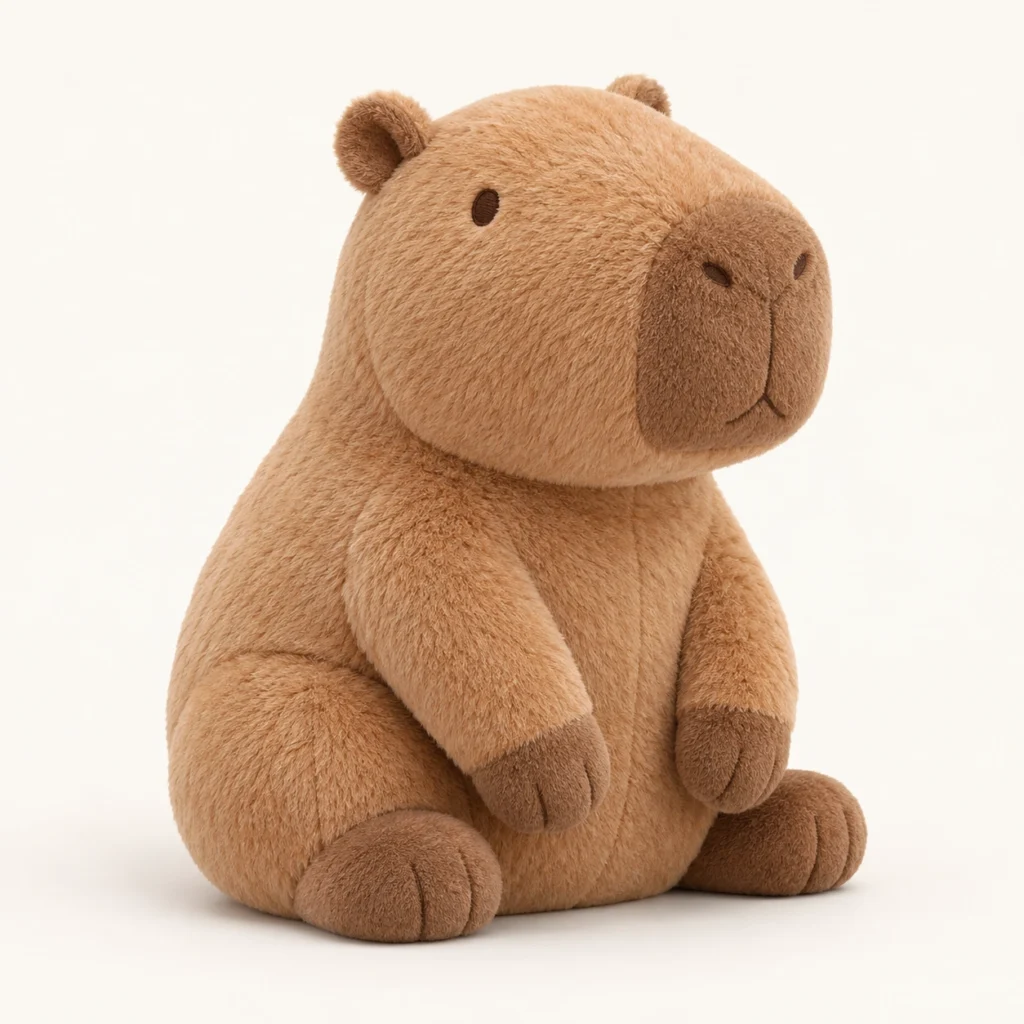
Custom Capybara Plush
Explore an original capybara plush concept for custom collections. Discuss proportions, fabric feel, colours, branding and physical sample development.
Explore the possibilities ↗For other design directions, explore custom mascot plush and the avocado plush concept.
Prepare a practical project brief
On small screens, scroll the table sideways to compare all columns.
| Project detail | What to provide | What to agree |
|---|---|---|
| Artwork and format | Front, side and back views where available; original character, mascot, keychain or other product format. | Keep the essential shape, expression and details clear at the chosen scale. |
| Target size | Height, width and depth in cm or mm; say whether ears, loops or accessories are included. | Agree a measurement method and any permitted variation with the sample. |
| Quantity and market | Estimated units per design or colourway, delivery country and intended audience. | Confirm project-specific order requirements and any market-specific assessment before production. |
| Materials and decoration | Fabric feel, colour references, filling, embroidery, print, accessories and attachment positions. | Compare the physical sample with the agreed written brief. |
| Branding and packaging | Label text, hangtags, packaging format and any carton requirements. | Include the agreed branding and packing scope in the quotation. |
| Schedule and approvals | Desired delivery date, required sample-review stages and the person approving changes. | Confirm sampling, production and shipping separately; a requested date is not a confirmed lead time. |
Read how to prepare artwork for plush sampling for a more detailed checklist.
Select materials with the design in mind
Fabric texture changes the way a character looks and feels. Shorter pile can help smaller details remain readable, while longer textures create a different outline. Discuss colour references, contrasting panels, fill feel and intended use together. Specific materials and availability are confirmed for each project.
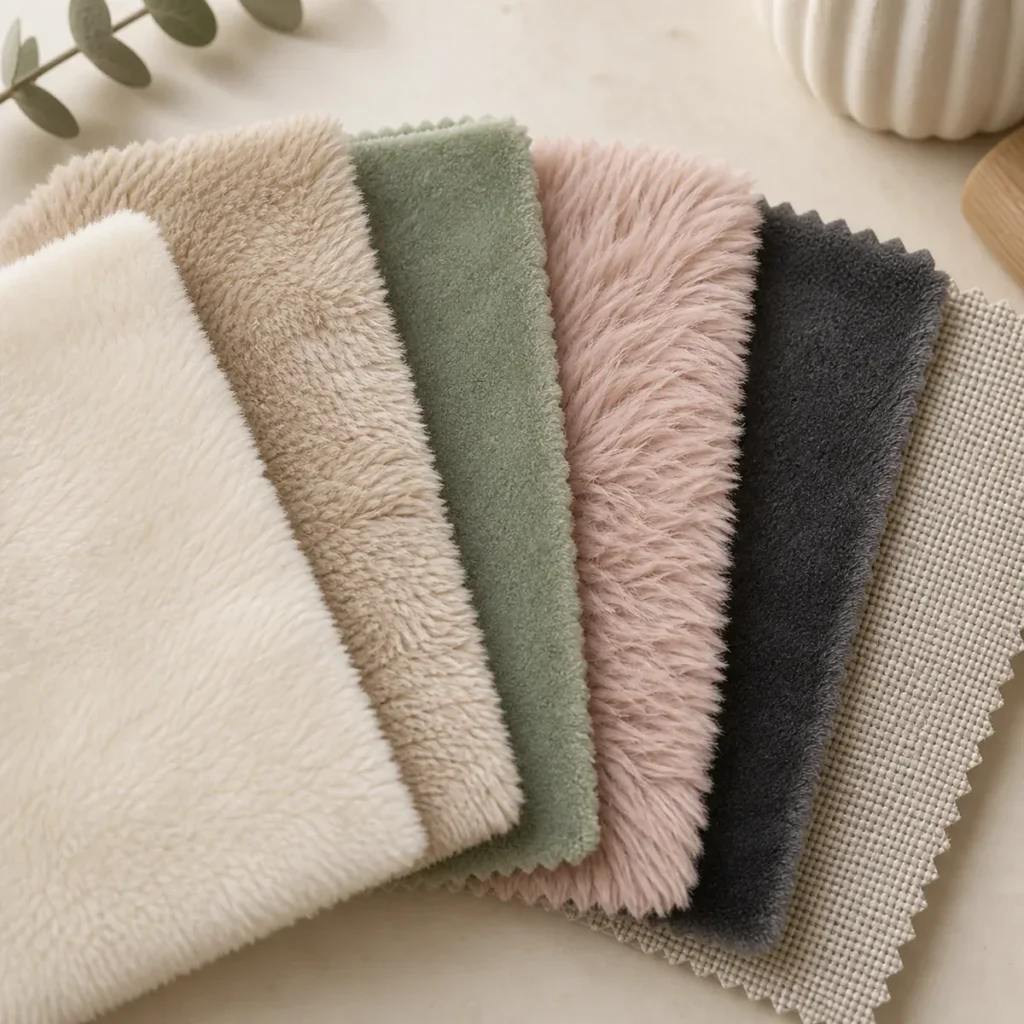
Illustrative Plush Fabric Swatches · Concept sample
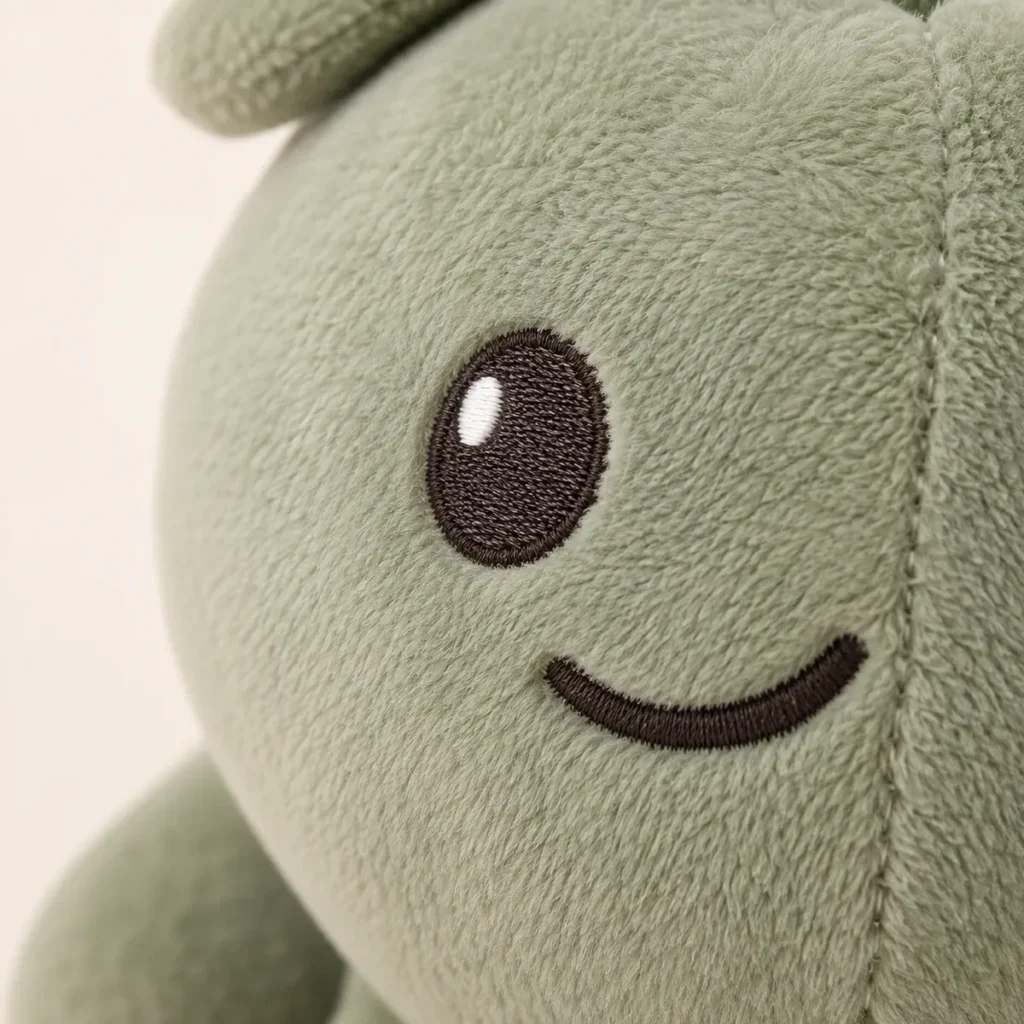
Illustrative Embroidery Detail · Concept sample
Think beyond the main shape
Embroidery, appliqué, printed areas, accessories and hardware should support the design at its actual size. For mini formats, simplify details deliberately. For dolls and mascots, clarify clothing and accessory construction.
Use labels, hangtags and packaging to connect the product to the broader collection. Provide the required text and market-specific information before the final approval.
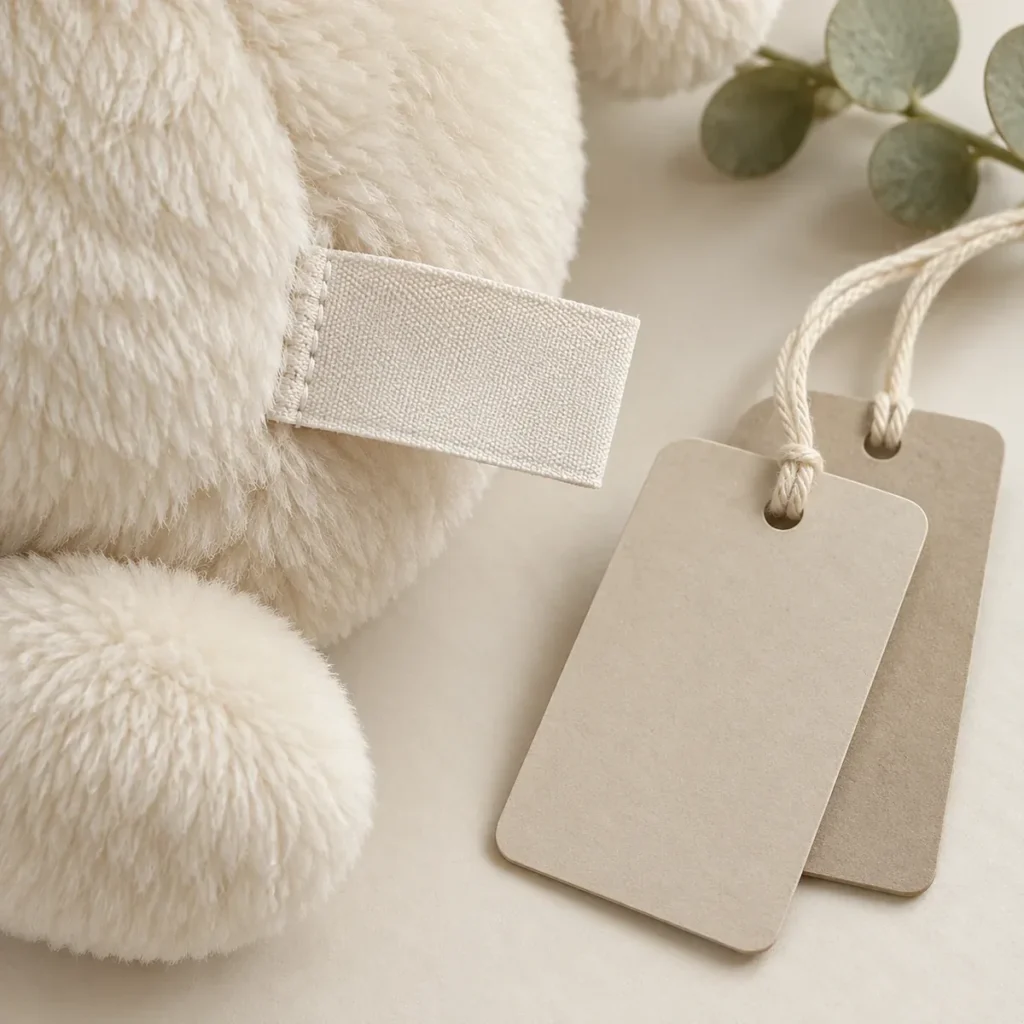
Illustrative Labels and Hangtags · Concept sample
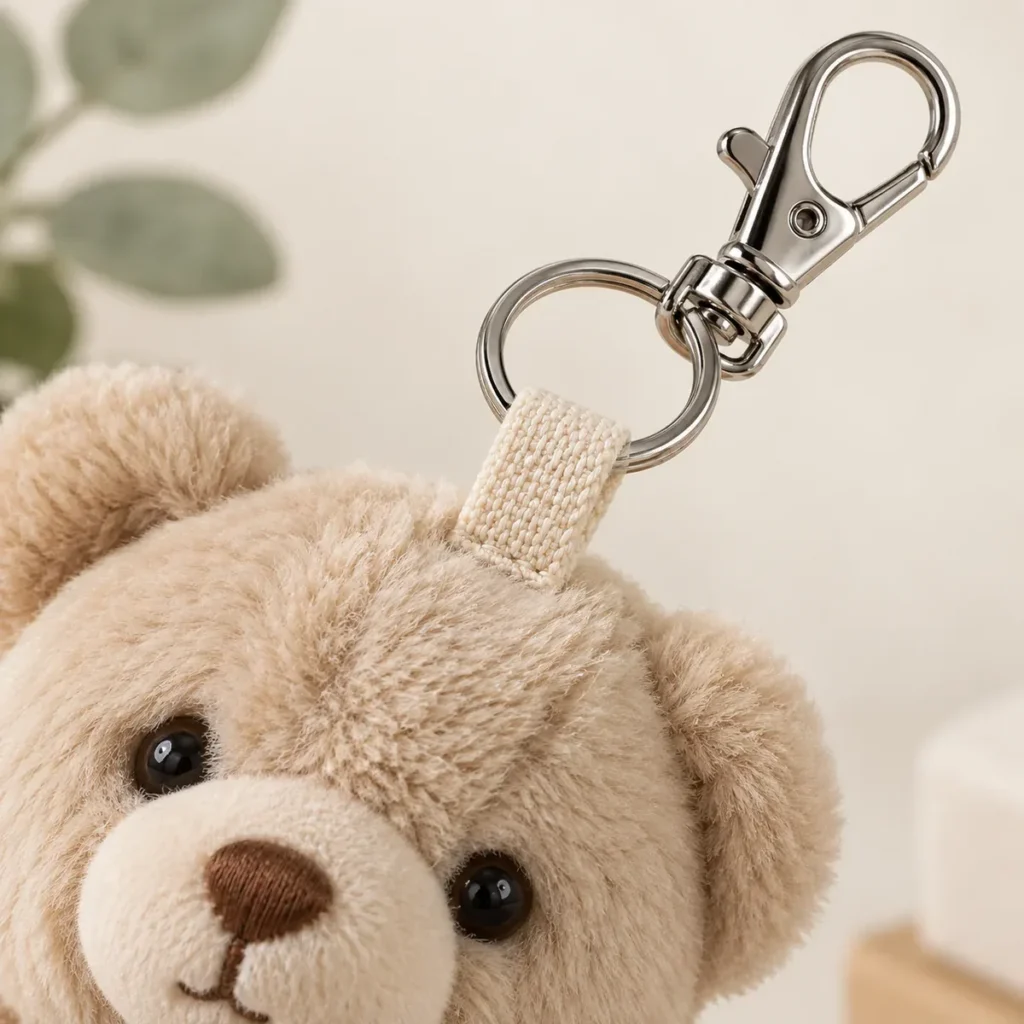
Illustrative Keychain Attachment Detail · Concept sample
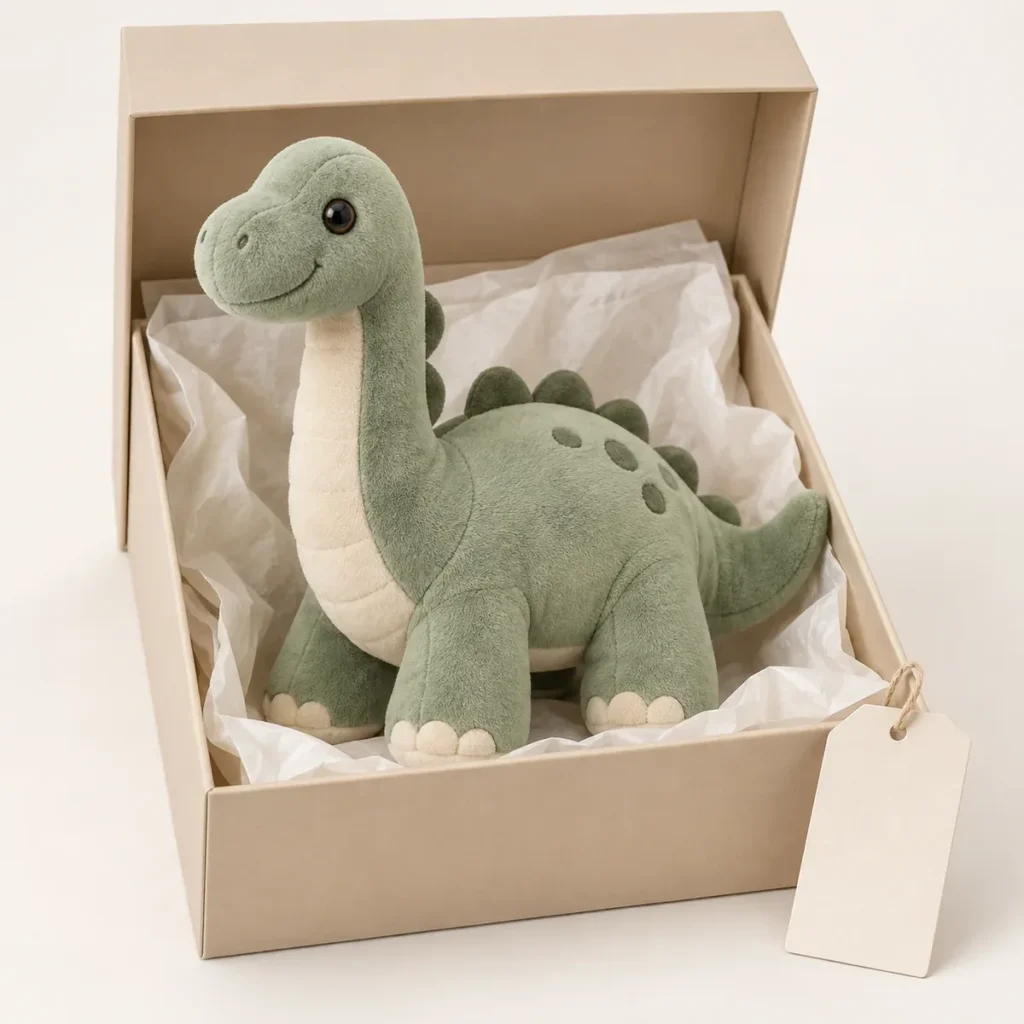
Plush Gift Box Concept · Concept sample
Use sampling to resolve the important decisions
Share your idea
Send artwork, intended use, target size and estimated quantity.
Develop the details
Review materials, construction, branding and a project-specific quotation.
Refine your sample
Use a physical sample and written feedback to agree the final specification.
Prepare production
Confirm the approved sample, quality checks, packaging and shipment plan.
Review a physical sample against the agreed brief. Check silhouette, proportions, colour, fabric feel, decoration and attachment positions. Use the plush sample review checklist to consolidate feedback so each change is clear and traceable.
Sampling and production timing depend on design complexity, revision needs and project requirements. Contact us for project-specific information.
Understand what shapes a quotation
Size, the number of components, decoration, material choices, hardware, packaging and quantity can all affect a quotation. Compare the complete specification rather than one headline unit price.
Plan quality checks and delivery together
Agree inspection criteria and documentation requirements before production. Review dimensions, seams, decoration, attachments and packaging against the approved sample. Ask about the assessment needed for the intended product, user and market.
Packaging must also protect the product and suit the distribution plan. Provide the destination, carton requirements and delivery constraints early enough to discuss the shipment approach.
Keep One Approval Record from Brief to Production
A useful approval record connects the artwork, physical sample and written specification. Keep one dated version so the team can see what is approved and what still needs a decision.
- Design brief: identify the artwork version, target size, intended audience, destination market and estimated quantity for each design or colourway.
- Physical sample: record front, side and back photographs, measured dimensions, fabric and colour references, decoration, seams, attachments and packaging.
- Revision list: number each requested change and state its location, expected result, responsible reviewer and review status.
- Production approval: identify the approved sample and specification versions, agreed quantity, packaging, quality checks and the separately confirmed production and shipment schedule.
A concept image shows a design direction. It does not prove that a physical sample has been made, tested or approved. Keep concept references distinct from photographs of the actual reviewed sample.
Compare quotations on the same specification
Ask each quotation to identify the design, size, material, decoration, quantity per version, labels, packaging, sampling and revision scope. Confirm what is included and which decisions remain open. Minimum order quantities and lead times should be confirmed for the project instead of inferred from a reference design.
Use the sample review checklist, cost-factor guide and development process together, then send your project brief.
Custom plush questions
What is the minimum order quantity?
Order requirements depend on the design, materials and construction. Share your project brief for project-specific information.
How long do sampling and production take?
Timing depends on the design, revisions, material availability and order requirements. Confirm the schedule for your project before making launch commitments.
Can you work from a drawing?
Start with the artwork you have and explain the key details. Front, side and back views help clarify the intended shape.
Are these products ready to buy?
The designs shown are concept references. Custom projects are developed around an agreed specification rather than purchased from a fixed stock catalogue.
Can we add labels and packaging?
Include your preferred labels, hangtags, inserts and packaging in the brief. Artwork, dimensions and required text need to be confirmed for the final specification.
What happens after I send an enquiry?
Your project details provide the basis for a discussion about the design, unresolved requirements and the next development step. Sending an enquiry does not place an order.