Buyer guides
Approving Plush Colours: Compare Physical Swatches under Agreed Conditions
Approve plush brand colours with identified physical swatches, agreed viewing conditions and separate records for fabric, embroidery and accessories.
A screen colour is a design reference, not a physical plush-colour approval. Before authorizing materials, identify the fabric swatch, embroidery thread and accessories that the buyer actually accepts. Record the viewing conditions and the scope of that acceptance.
For a brand character, the useful question is not simply “Does this look like the logo on my phone?” It is “Which physical materials, under which agreed conditions, represent the approved version?”
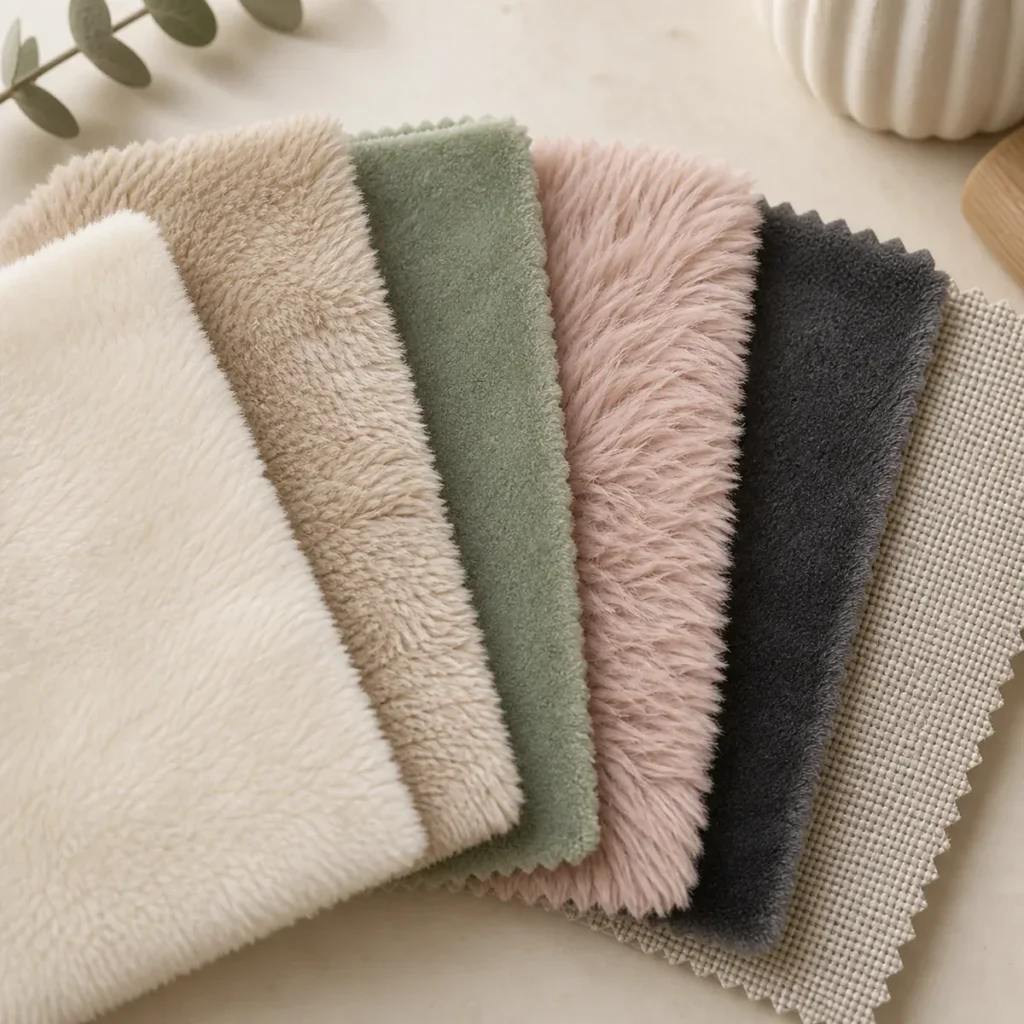
Give every colour reference an identity
Send the brand artwork and any specified colour-reference system, including the exact reference and edition where relevant. Then ask the supplier to identify the proposed physical material using its fabric code, colour code, sample date and available batch information.
A colour name such as “brand blue” is not enough to distinguish two candidate swatches. Label alternatives A, B and C and keep the same identifiers on the samples, photos and feedback record. If a revised material replaces an earlier candidate, issue a new reference rather than silently reusing the old name.
Compare like with like under agreed conditions
Arrange the reference and candidate beside one another, with comparable sample presentation and pile direction. Agree the light source and viewing setup before the review. Avoid mixing uncontrolled window light with an unrelated lamp and then treating different reviewers’ impressions as directly comparable.
Texture, pile direction and lighting can affect textile appearance. Materials that appear to match under one light may differ under another, a phenomenon called metamerism. AMANN’s textile colour guidance explains why sample orientation and lighting should be controlled. Choose any additional viewing condition around the intended product use, rather than assuming one universal setup.
Approve each material separately
Plush fabric, embroidery thread, printed labels and plastic or metal accessories have different surfaces. A matching colour code does not automatically make them visually identical. Review the adjacent materials together on the intended sample, then record a separate decision for each.
If a surface is intentionally lighter, darker or contrasting, write that down. “Approved” without a material reference can later be mistaken for approval of every component, or even of a different batch.
Material colour approval card
| Record field | What to enter |
|---|---|
| Project / artwork revision | Character, component location and current brand reference |
| Physical sample identity | Material supplier/code, colour code, sample date and batch if known |
| Sample presentation | Size, pile direction, layers or other agreed preparation |
| Viewing conditions | Named light source/setup; agreed additional light condition if required |
| Comparison reference | Retained master swatch or other agreed physical reference ID |
| Decision and scope | Approved / revise / pending; accepted variation and exclusions |
| Approval authority | Approver, organization, date and record reference |
| Production follow-up | Master-sample storage, batch comparison and reapproval triggers |
Use photographs to communicate, with clear limits
Photograph the reference and candidate together, label the IDs and keep the lighting, background and camera settings consistent across revisions. Avoid filters or edits that change the comparison. These records help explain which sample was discussed, but camera processing and display differences mean that photographs cannot replace an agreed physical master.
If the buyer must give an interim decision remotely, state exactly what is accepted and what still awaits physical review. Do not label a screen-only choice as final material approval unless both parties explicitly agree that limited approval method and its risks.
Identify candidate swatches
Review together under agreed light
Record material-by-material decisions
Retain the approved master
Set the production comparison rule
Agree who retains the master sample and how production materials will be compared with it. Define acceptable variation between buyer and supplier. If an instrumental colour-difference limit is required, agree the measurement method and conditions as well as the number; this guide does not prescribe a universal tolerance.
Record what triggers renewed approval, such as a different fabric, changed pile, replacement supplier or a batch that falls outside the agreed range. Preserve the previous record so the approval history remains clear.
Prepare the next sample round
Send the artwork revision, labelled physical references, component colour list and completed approval card through the custom plush development process. A precise response—“fabric B approved under the recorded conditions; embroidery thread pending”—is more useful than an unqualified “colour looks fine.”